Deer on the Cliff 3D Layered Paper Cut Review
As a designer who has spent years translating digital art into tangible stitched products, I approach every new file with a mix of excitement and skepticism. Today, I am putting Deer on the Cliff 3D Layered Paper Cut to the test. This isn't just another generic nature motif; it is a layered, square paper cutting template that promises depth and texture. The core question for any serious crafter or business owner is simple: does this design hold up when transferred from a screen to fabric? Can it stand as a centerpiece in a boutique collection or a heartfelt personalized gift?
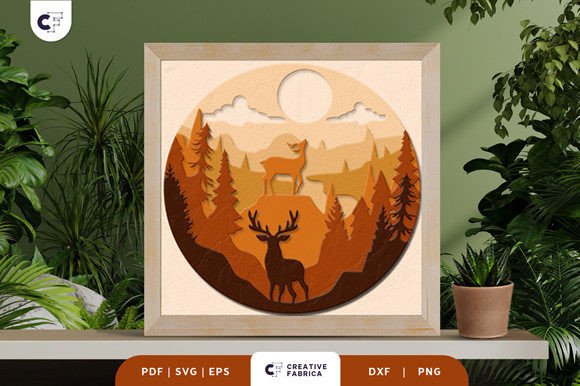
The immediate visual impact of Deer on the Cliff 3D Layered Paper Cut is striking. It evokes a sense of quiet wilderness and rugged elegance. Unlike flat silhouettes that can look dated or overly simplistic, this design suggests dimensionality through its layered composition. When you first open the SVG file, you aren't just seeing an outline; you are seeing a scene composed of distinct elements that mimic the effect of a shadow box. For an embroidery project, this is a game-changer. It offers the potential to create a piece that feels three-dimensional even after stitching, provided the execution is handled with care.
Real-World Application: From Digital File to Finished Product
Let's imagine a practical scenario. You are preparing a custom line of tote bags for an upcoming craft fair or updating your Etsy shop with autumn-themed merchandise. You need something that stands out against the canvas but doesn't overwhelm the wearer. Deer on the Cliff 3D Layered Paper Cut fits this niche perfectly. The square format allows for balanced placement on the front panel of a tote, while the "cliff" element provides a natural base that anchors the deer figure.
I envision this design executed in earthy tones—deep forest greens, warm browns, and soft tans. The layered nature of the original paper cut concept translates beautifully into machine embroidery when you utilize different stitch types. Imagine using a satin stitch for the deer's outline to give it a crisp edge, while the cliff background utilizes a fill stitch or a textured pattern like a brick or stone fill to simulate the rough terrain. This contrast creates a tactile experience that customers love to touch.
However, the versatility extends beyond totes. Consider a baby blanket or a nursery pillow cover. The theme is gentle yet adventurous, making it suitable for a woodland-themed bedroom. The layered aspect adds a sophisticated touch that elevates the product from a basic handmade item to a premium decorative piece. If you are selling these items, the perceived value increases significantly because the design looks complex and thoughtfully constructed. It signals to the buyer that you put effort into the details, which builds trust and encourages repeat purchases.
Technical Challenges and Fabric Considerations
While the artistic vision is strong, the transition to actual stitching requires strategic planning. Deer on the Cliff 3D Layered Paper Cut is not a one-size-fits-all solution for every fabric type. The design relies on clean lines and distinct layers to maintain its visual integrity. If you attempt to stitch this on a highly textured fabric like bouclé or a very thin, sheer material, the definition of the layers will be lost. The threads may sink into the weave, blurring the distinction between the deer and the cliff.
Stretchy fabrics present another hurdle. While a sweatshirt might seem like a good candidate, the tension required to keep the design flat during stitching can distort the delicate corners of the paper-cut style. If the hoop size is too small for the square layout, the design will be cramped, losing the breathing room that makes the "cliff" element effective. I recommend testing this design on medium-weight cotton twill or sturdy linen for the best results. These fabrics provide enough stability to support the density of the stitches without puckering.
Another critical factor is the complexity of the layers. Since the source is described as a layered paper cut, the SVG likely contains multiple separate paths. In an embroidery context, this means you must decide how to handle each layer. Do you want them stacked directly on top of each other to create a true 3D effect? Or should they be spaced slightly apart? Stacking dense layers can lead to thread breaks and needle deflection, especially if the design includes fine details. If you are working with a small hoop size, you might find that the intricate details of the cliff face become muddy. Always verify the specific dimensions of the design before committing to a production run.
Maximizing Visual Appeal and Brand Consistency
For small business owners and Etsy sellers, the aesthetic consistency of your brand is paramount. Deer on the Cliff 3D Layered Paper Cut offers a cohesive look that can unify a product line. Whether you are creating holiday gifts, wedding favors, or boutique branding materials, the natural theme fits seamlessly into various seasonal collections. The design acts as a versatile asset that can be adapted with different color palettes to match current trends.
When used correctly, this design enhances the professional presentation of your finished goods. A well-executed layered embroidery looks intentional and high-quality. It suggests that the creator understands the nuances of the craft. Customers are more likely to pay a premium for a product that demonstrates technical skill and artistic flair. Furthermore, the unique "paper cut" style sets your work apart from competitors who rely on standard, mass-produced clipart designs.
However, caution is advised regarding the final product's durability. If the design includes areas of extremely high stitch density, it may feel stiff and uncomfortable against the skin. This is particularly important for baby clothing or items intended for frequent washing. A heavy, dense patch might lose its shape over time or cause irritation. To mitigate this, consider reducing the stitch density in the background areas or using a lighter stabilizer to ensure the fabric remains pliable.
Essential Designer Notes for Implementation
Before you hit the "start" button on your embroidery machine, there are several steps you must take to ensure success. First and foremost, always test the design on scrap fabric. This allows you to check the thread color contrast and see how the layers interact under real lighting conditions. A design that looks perfect on a white monitor might appear muddy on a dark fabric or vice versa.
Review the stitch density carefully. If the file was created for a specific purpose, such as applique or a specific stitch type, you may need to adjust the settings in your digitizing software. Check whether the design works for both personal and commercial projects by reviewing the licensing terms provided with the file. Many designers offer different licenses for personal use versus selling finished items, so confirming these details is crucial for protecting your business.
If you plan to use this for commercial embroidery, consider creating black and white mockups first. This helps you visualize the silhouette and ensure that the negative space is sufficient. Also, inspect the small details closely. Sometimes, files imported from vector sources can have tiny gaps or overlapping nodes that cause stitching errors. Use proper stabilizer to support the fabric, especially if you are working with curved surfaces like caps or aprons.
Finally, compare light and dark fabric backgrounds to determine the best thread colors. The layered nature of Deer on the Cliff 3D Layered Paper Cut benefits greatly from thoughtful color selection. High contrast can make the layers pop, while low contrast can create a subtle, elegant mood. By taking the time to analyze these variables, you transform a simple digital file into a stunning finished product that resonates with your audience.
In conclusion, Deer on the Cliff 3D Layered Paper Cut is a compelling choice for designers looking to add depth and character to their embroidery projects. Its layered structure offers endless possibilities for creative expression, from custom apparel to home decor. With careful planning and attention to detail, this design can become a cornerstone of your handmade collection, bridging the gap between digital artistry and tactile craftsmanship.