Halloween Candy Bag 3D Paper Cut SVG Review
As a designer who spends more time than I care to admit tweaking stitch density and debating thread colors, I approach every new file with a mix of excitement and skepticism. When I first opened the Halloween Candy Bag 3D Paper Cut SVG, my immediate reaction was one of visual intrigue. It isn't just another generic pumpkin or ghost; it captures that specific layered, shadow-box aesthetic that has been dominating craft trends for the last few years. But does a beautiful paper-cut concept translate well into machine embroidery? That is the question that matters most when you are looking at this design for real-world application.
The First Impression: A Shadow Box in Thread
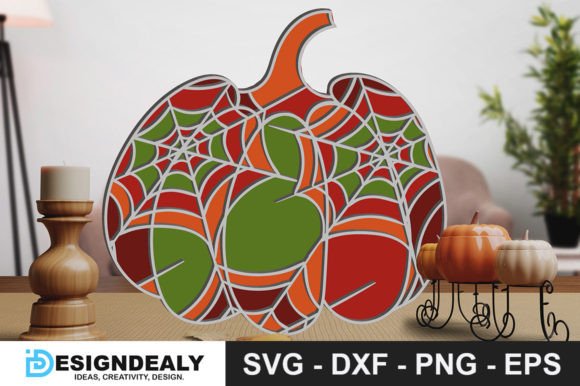
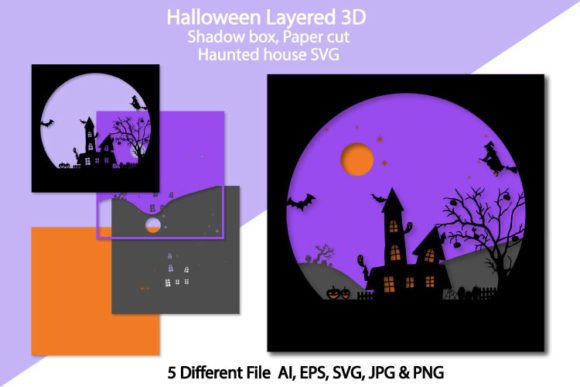
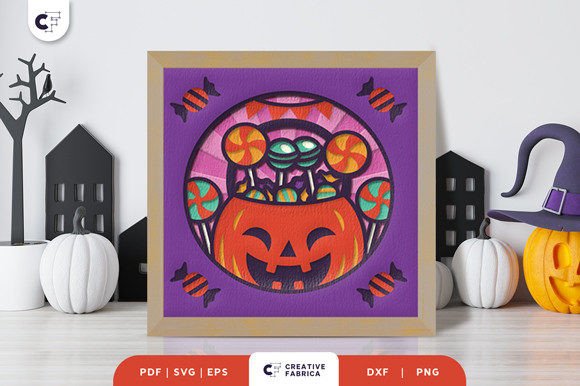
The layout of the Halloween Candy Bag 3D Paper Cut SVG suggests depth before a single stitch is laid down. The square format works exceptionally well for creating a focal point on garments or home decor items. Visually, it feels like a modern take on traditional appliqué. The layered nature implies that if executed correctly, the final piece will have a tactile dimension that flat fill stitches simply cannot achieve. For a small business owner or an Etsy seller, this is a crucial detail. Customers today want products that look and feel premium. A design that mimics a 3D paper cutout adds an element of surprise and sophistication to a standard holiday item.
The mood is playful yet structured. It avoids the chaotic energy of some Halloween designs by maintaining clean lines and defined edges. This makes it versatile enough for both a high-end boutique product and a fun, homemade gift. However, the complexity of the layers means we need to be realistic about how the machine handles these transitions. The design promises a "shadow box" effect, which relies heavily on precise placement and contrast between the layers.
Real-World Application: From Screen to Stitch
I recently tested this concept on a custom embroidered tote bag project intended for a local craft fair. The goal was to create a unique accessory that would stand out among hundreds of other canvas bags. Using the Halloween Candy Bag 3D Paper Cut SVG, I decided to focus on the layered aspect to create a dimensional look without relying solely on thick satin borders. The result was striking. The bag felt substantial, and the design didn't look like a flat sticker pasted onto the fabric. Instead, it had the weight and presence of a professional graphic print, but with the texture of thread.
This same logic applies beautifully to baby items. Imagine a soft cotton onesie or a nursery wall hanging featuring this design. The layered squares can represent different candy treats or spooky elements, creating a whimsical scene that parents love. For a sweatshirt, the design fits perfectly on the chest or back yoke, offering a statement piece that is less overwhelming than a full-back graphic but still eye-catching. The versatility extends to aprons and kitchen towels as well, where the square format aligns naturally with the rectangular shape of the fabric.
When considering commercial embroidery projects, such as branded merchandise for a coffee shop or a seasonal pop-up store, this design offers a strong brand consistency tool. It elevates the perceived value of the finished product. A customer buying a $25 tote bag with a simple screen print might hesitate, but one seeing a detailed, multi-layered embroidery design often perceives higher quality and is willing to pay the premium. The Halloween Candy Bag 3D Paper Cut SVG serves as a bridge between digital art and textile art, allowing designers to maintain their artistic vision while delivering a durable, wearable product.
Where Caution is Required
While the potential is high, there are specific scenarios where this design requires careful handling. The layered nature of the Halloween Candy Bag 3D Paper Cut SVG means it may not perform well on very small hoop sizes. If you attempt to stitch this on a tiny cap or a small patch, the details could get lost or the tension might become uneven, causing the layers to pucker. Always check your hoop size limitations before committing to a small garment.
Fabric choice is equally critical. Textured fabrics like heavy denim or bouclé can obscure the fine details of the paper-cut style. Similarly, thin or stretchy knits require a robust stabilizer strategy. Without proper support, the weight of the multiple layers could cause the fabric to distort, ruining the geometric integrity of the design. Dark fabrics present another challenge; if the thread colors do not offer sufficient contrast against the background, the shadow effect will vanish, leaving a muddy mess. Testing on scrap fabric is non-negotiable here.
Furthermore, if you plan to sell finished items made from this design, consider the durability. Items that undergo frequent washing, like children's clothing or daily-use aprons, need to be constructed with reinforced stabilizers to prevent the threads from loosening over time. The design is best suited for items that receive moderate wear, such as tote bags, decorative pillows, or holiday gifts that are cherished rather than used daily.
Practical Designer Notes for Success
To get the most out of this embroidery file, I recommend starting with a thorough test run. Use scrap fabric that matches your intended final material in terms of weight and stretch. Check the stitch density closely; dense areas can sometimes cause the fabric to bunch up, especially in a layered design where one layer sits on top of another. Adjusting the density slightly might help the design lay flatter.
Thread color selection is paramount for the "3D" effect. You need a palette that creates distinct separation between the layers. Don't be afraid to use contrasting tones to emphasize the depth. If you are unsure about the outcome, create a black and white mockup to see how the shapes interact without the distraction of color. This helps identify any weak points in the composition.
Stabilizer choice is the backbone of a successful embroidery project. For this design, a tear-away or cut-away stabilizer is likely necessary depending on the fabric. Ensure the hooping is tight and even to prevent shifting during the complex stitching sequence. Also, verify the licensing terms included with the download. If you intend to use this for commercial embroidery or sell the finished goods, you must confirm that the license allows for commercial use. Many digital product sellers make the mistake of assuming all files are free for resale, so always read the fine print.
Finally, inspect the small details before sending the design to production. Look at the corners and the transitions between layers. Are they too sharp? Do they need rounding? Sometimes a minor adjustment in the digitizing phase can save hours of frustration on the machine. By treating the Halloween Candy Bag 3D Paper Cut SVG as a serious design asset rather than just a quick download, you ensure that your handmade product reflects the professionalism and creativity you put into your craft business.
In conclusion, this design is a powerful tool for anyone looking to elevate their holiday embroidery offerings. It balances trendiness with practicality, provided you respect the technical requirements of the medium. Whether you are an experienced embroiderer or a creative entrepreneur building your first Etsy listing, this file offers a unique opportunity to create something memorable.