If Dad Can’t Fix It 3D Shadow Box SVG Review
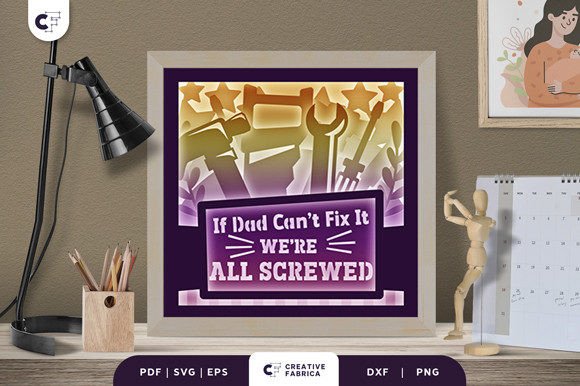
When I first opened the If Dad Can’t Fix It 3D Shadow Box SVG file, my initial reaction wasn't about the joke itself—it was about the structure. As someone who has spent years digitizing and reviewing embroidery designs for real-world production, I immediately looked at how this design translates from a digital vector to a physical stitched object. The concept of a "shadow box" implies depth, layering, and a specific spatial arrangement that can be tricky in machine embroidery. This isn't just a simple text placement; it is a complex composition intended to mimic a framed piece of paper art, which adds a unique challenge and reward to the final product.
The First Stitch: Visual Personality and Mood
The mood of If Dad Can’t Fix It 3D Shadow Box SVG is undeniably humorous yet warm. It taps into that universal family dynamic where the father figure is the go-to problem solver, even when he shouldn't be. From a design perspective, the layout creates a sense of whimsy that feels perfect for casual wear or home decor. The inclusion of eight distinct cut files suggests a multi-layered approach, likely separating the text, the shadow elements, and perhaps decorative accents like screws or tools. This separation is crucial because it allows the designer to play with thread colors and stitch types to create that three-dimensional illusion without overcrowding the hoop.
In terms of visual personality, this design feels like a handshake between modern graphic design and traditional craftsmanship. It doesn't scream "corporate logo"; instead, it whispers "handmade gift." The shadow effect promises to add dimensionality, making the flat fabric feel more like a canvas. For an embroiderer looking to elevate their custom apparel beyond standard block lettering, this design offers a sophisticated alternative that still remains accessible and fun.
Real-World Application: A Case Study in Tote Bags
To truly understand the potential of this file, let's imagine a practical scenario. I am preparing a batch of products for a Father's Day pop-up shop. My goal is to create a line of durable tote bags that serve as both functional items and conversation starters. I decide to test If Dad Can’t Fix It 3D Shadow Box SVG on a heavy-duty canvas tote bag.
The moment I hooped the bag, I realized the importance of the design's scale. Because it mimics a shadow box, it needs breathing room. If I tried to cram this onto a small patch pocket, the details would get lost, and the stitching density might cause the fabric to pucker. However, placing it centrally on the front of a large tote allowed the "shadow" layers to stand out. I used a high-quality polyester thread in a contrasting color for the shadow elements—perhaps a deep charcoal against a white background—to enhance the 3D effect. The result was a finished product that looked professional enough to command a higher price point in an Etsy shop or craft fair.
This same logic applies to other items. Imagine this design embroidered on a men's apron for a BBQ enthusiast. The humor lands perfectly, and the layered look mimics a framed quote hanging in a kitchen. Or consider a baby onesie for a young dad-to-be; the soft texture of the jersey knit combined with the playful design creates a touching personalized gift that stands out from generic store-bought options.
Technical Performance and Stitch Clarity
When evaluating If Dad Can’t Fix It 3D Shadow Box SVG for commercial use, we have to talk about stitch density and clarity. Designs that rely on shadows often require a mix of satin stitches for outlines and fill stitches for the main body. If the file is not optimized correctly, the dense areas can become stiff and uncomfortable, especially on children's clothing or delicate fabrics. The description mentions "color highlights," which implies a need for precise thread changes. In a real production environment, this means checking your machine's thread changer capabilities or planning for manual changes if you are running multiple garments.
The design works best on stable, medium-weight fabrics. Cotton blends, denim, and canvas hold the structure of the shadow box well. However, there are limitations. On stretchy fabrics like thin t-shirts or athletic wear, the tension required to pull off the detailed corners of the shadow box might cause distortion. Similarly, on textured fabrics like bouclé or heavy fleece, the fine lines of the shadow effect might get swallowed by the pile of the material. For these surfaces, a simpler design with less intricate detailing would yield a cleaner finish.
Where to Use (and Where to Avoid) This Design
Best Uses:
- Holiday Gifts: Perfect for Father's Day, Christmas stockings, or birthday gifts where the recipient appreciates a good laugh.
- Small Business Merchandise: Ideal for boutique branding, creating a cohesive look for a maker's shop that sells handmade goods.
- Home Decor: Pillow covers, tea towels, and kitchen curtains benefit from the "paper art" aesthetic of the shadow box.
- Apparel: Sweatshirts, caps, and jackets where the design can be displayed prominently without interfering with seams.
Use With Caution:
- Small Hoop Sizes: Attempting to fit all eight cut files into a tiny hoop will result in cluttered stitching and poor definition.
- Detailed Corners: If the design includes very sharp angles or tiny text within the shadow, ensure your stabilizer is adequate to prevent tearing.
- Frequent Washing Items: While durable, complex layered designs on items like work shirts that undergo heavy industrial washing should be tested first to ensure the threads don't snag.
Design Notes for the Serious Embroiderer
Before you commit to a full production run, there are several technical steps every professional should take. First, always test the embroidery file on scrap fabric that matches your final project's weight and texture. This is non-negotiable. You need to see how the stitch density interacts with the specific fiber of your chosen material.
Check your thread color contrast carefully. The magic of the shadow box relies on the difference between the foreground and the background. If the colors are too similar, the 3D effect disappears, and the design looks muddy. I recommend creating a black-and-white mockup of the design to verify that the shapes remain distinct even without color. This ensures the structural integrity of the design is sound.
Don't forget the stabilizer. For a design with multiple layers and potentially dense fill stitches, a tear-away or cut-away stabilizer is essential to support the fabric during stitching. Without proper support, the "shadow" layers might shift, ruining the alignment. Also, review the licensing terms before selling finished items. Some digital products restrict commercial use, while others allow it freely. Confirming these details protects your business and ensures you are using design assets ethically.
Final Verdict on Value and Appeal
If Dad Can’t Fix It 3D Shadow Box SVG brings a fresh perspective to the crowded market of funny dad quotes. By moving away from simple text and embracing a shadow box aesthetic, it elevates the perceived value of the finished product. Customers are willing to pay more for items that look professionally designed and thoughtfully executed. The design fosters a sense of connection and humor that resonates deeply with buyers looking for meaningful, personalized gifts.
For the creative entrepreneur, this file is a versatile tool. Whether you are an Etsy seller looking to expand your holiday collection, a small shop owner branding your merchandise, or a hobbyist making a special present, this design offers the right balance of complexity and charm. Just remember to respect the technical requirements of machine embroidery, test thoroughly, and choose the right fabric to let the shadow box shine. When done right, it transforms a simple piece of fabric into a memorable keepsake that celebrates the quirks of fatherhood.