Baby Boy Baptism 3D Shadow Box Review
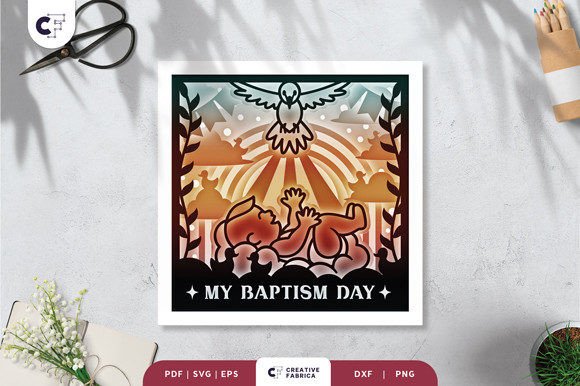
As a designer who has spent years turning digital files into tangible, stitched treasures, I approach every new download with a mix of excitement and skepticism. There is nothing worse than unboxing a beautiful design only to find it fails the moment it hits the hoop. Recently, I evaluated Baby Boy Baptism 3D Shadow Box, a layered, square paper cutting template available in SVG and PDF formats. While the description highlights its utility for paper crafts, my review focuses on how this asset translates into the world of machine embroidery and handmade commerce.
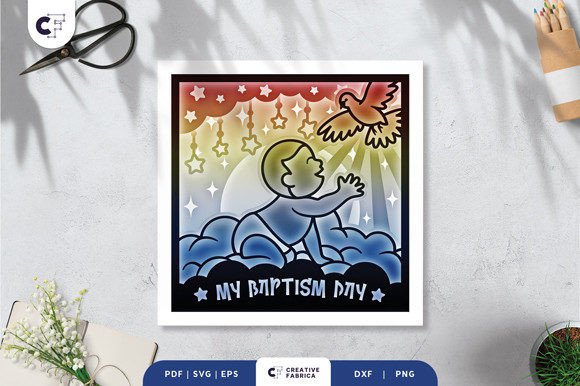
The first impression of Baby Boy Baptism 3D Shadow Box is one of structured elegance. The "shadow box" concept suggests depth and dimension, which is exactly what makes it stand out from standard flat monograms or simple text-only designs. In the context of a baptism celebration, the mood is inherently celebratory yet solemn. This design feels like it belongs in a nursery setting or on a keepsake item that will be displayed rather than worn daily. The square layout offers a balanced canvas, allowing for a central focal point that draws the eye immediately.
From Digital File to Finished Product
I recently decided to test Baby Boy Baptism 3D Shadow Box by creating a custom embroidered tote bag for a small boutique client preparing for a baby shower season. The goal was to create a high-end gift that felt substantial but remained practical for a mother-to-be. When I opened the file, the layering structure became apparent. This is not just a single block of text; it is composed of distinct elements designed to create that three-dimensional shadow effect.
In a real-world application, such as on a cotton canvas tote or a heavy-duty apron, the layers allow for creative thread choices. You could use a contrasting color for the "shadow" layer to make the main text pop, mimicking the physical depth of a paper cutout. For an Etsy seller looking to expand their catalog, this versatility is gold. It transforms a standard tote bag design into a premium product that justifies a higher price point. The visual appeal increases because the design acknowledges the texture of the fabric, creating a sense of movement even when the item is stationary.
However, the transition from a paper template to an embroidery file requires careful consideration. If you are using this as a base for an applique design, the clean lines of the square shape work beautifully. But if you intend to stitch the entire area with fill stitches, you must evaluate the density. A true shadow box relies on negative space to define its depth. Over-stitching can collapse the illusion, turning a sophisticated graphic into a solid, heavy blob of thread. For a commercial project, clarity is key. Customers need to see the design clearly from a distance, so ensuring the stitch density isn't too tight is crucial for maintaining that crisp, layered look.
Where This Design Shines
Baby Boy Baptism 3D Shadow Box finds its natural home in products where presentation matters more than durability. I found it excels on items like pillow covers, tea towels, and nursery wall hangings. On a linen pillow cover, the soft, matte finish of the threads complements the rustic feel of the shadow box aesthetic perfectly. It adds a touch of professionalism to a personalized gift without feeling overly busy.
For craft business owners, this design is particularly valuable for holiday embroidery projects around Easter or specific religious holidays. The theme is specific enough to be meaningful but broad enough to fit various family traditions. Imagine a set of matching kitchen towels embroidered with this design for a family receiving a new baby. The consistency of the design across multiple items creates a cohesive brand identity, whether you are selling at a local craft fair or managing an online shop.
The design also works well as a standalone element on a sweatshirt or t-shirt, provided the placement is thoughtful. Placing it centered on the chest of a baby onesie or a parent's sweatshirt creates a classic, timeless look. However, the success here depends heavily on the fabric choice. A smooth, stable knit allows the details of the shadow box to shine, whereas a textured jersey might obscure the finer points of the layering.
Practical Constraints and Cautionary Notes
No design is perfect for every scenario, and Baby Boy Baptism 3D Shadow Box has specific limitations that every designer should respect. First, consider the hoop size. Because this is a square, layered design, it requires a decent amount of surface area to breathe. Attempting to shrink it down for a small hoop size, such as those used for caps or hat brims, often results in a loss of detail. The "shadow" effect relies on separation between layers; compress these layers too much, and they merge visually, ruining the intended 3D look.
Fabric texture is another critical factor. While this design looks stunning on flat surfaces, it struggles on stretchy fabrics or curved surfaces like baseball caps. The tension required to hold a square shape steady on a curved cap can distort the geometry of the shadow box. Similarly, thin fabrics may pucker under the weight of the stitching, especially if the design includes dense fill areas. If you plan to use this on a dark fabric, ensure your thread colors offer sufficient contrast. A light-on-dark combination might wash out the subtle shadows unless you use a high-density underlay or a brighter thread palette.
There is also the issue of washing. Items that require frequent, harsh washing, like work aprons or daily wear t-shirts, might show wear faster if the design relies on delicate running stitches or fine details. For a long-lasting handmade product, it is better suited for decor or special occasion wear. Always test the design on scrap fabric first to check how the stabilizer interacts with your chosen material. A proper stabilizer is non-negotiable here; without it, the square edges might wobble, and the layered effect could shift during the run.
Strategic Advice for Designers and Sellers
If you are considering adding Baby Boy Baptism 3D Shadow Box to your inventory, treat it as a premium asset. Before committing to a large production run, create a printable mockup to visualize the final product. Look at the design in black and white to ensure the contrast holds up without color distractions. This step helps identify potential issues with legibility before you ever load a spool of thread.
When marketing this design, focus on the emotional connection it brings to the buyer. It is not just a pattern; it is a memory keeper. Highlight how the layered construction adds value to the finished piece. For Etsy sellers, emphasize the customization options—offering different thread colors for the shadow layer can attract customers looking for unique, bespoke gifts.
Finally, always verify the licensing terms associated with the file. Since the product description mentions SVG and PDF formats, clarify whether these are suitable for commercial use. Many designers assume all digital assets are free to sell, but some restrictions apply. Confirm whether you can sell the finished embroidered items or if the license limits you to personal use. Protecting your craft business means understanding the legal boundaries of your design assets.
In conclusion, Baby Boy Baptism 3D Shadow Box is a strong candidate for any designer looking to elevate their baptism-themed collection. Its layered nature offers a modern twist on traditional embroidery, making it ideal for boutique branding and high-quality personalized gifts. By respecting its dimensional requirements and choosing the right substrates, you can turn this digital file into a standout finished product that customers will cherish for years to come.